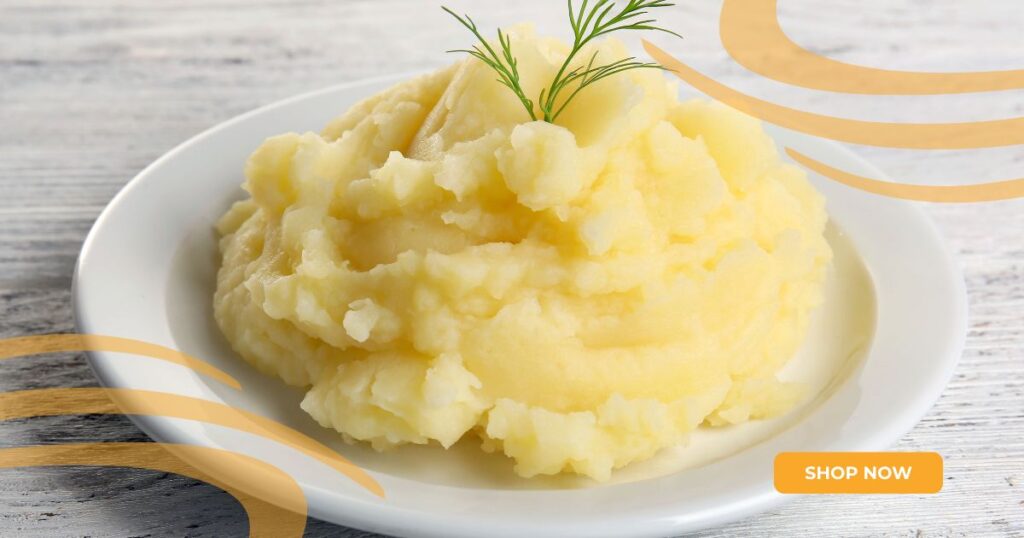
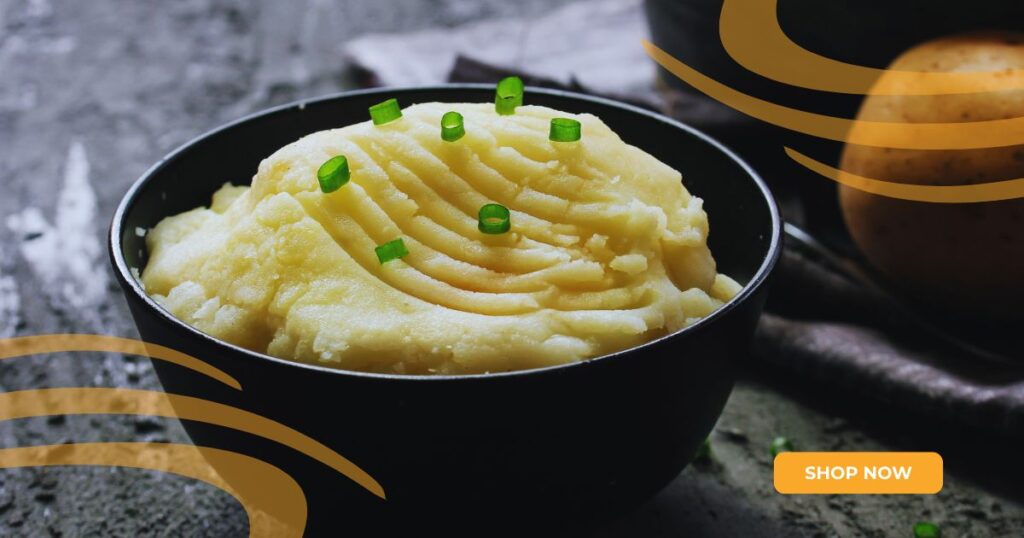
Certifications exist because self-reported quality claims are hard for buyers to verify on their own. When a brand says it manufactures the best quality aloo mash, an outside certification gives that claim something to stand on, whether it is a home cook checking a label or a business sourcing ingredients for its menu. Shree Aahar
What ISO Certification Signals
ISO certification generally points to documented, repeatable manufacturing processes and quality management practices. For a food product like aloo mash, this can translate into more consistent batches, tighter control over ingredient ratios, and clearer accountability across the production line.
What HALAL Certification Adds
HALAL certification broadens who can confidently choose a product, assuring a wide range of consumers that the manufacturing process meets specific dietary and preparation standards. For a brand serving diverse households and institutional buyers, this certification widens the customer base that can trust the product without hesitation. Follow us Shree Aahar
Shree Aahar’s Certified Manufacturing
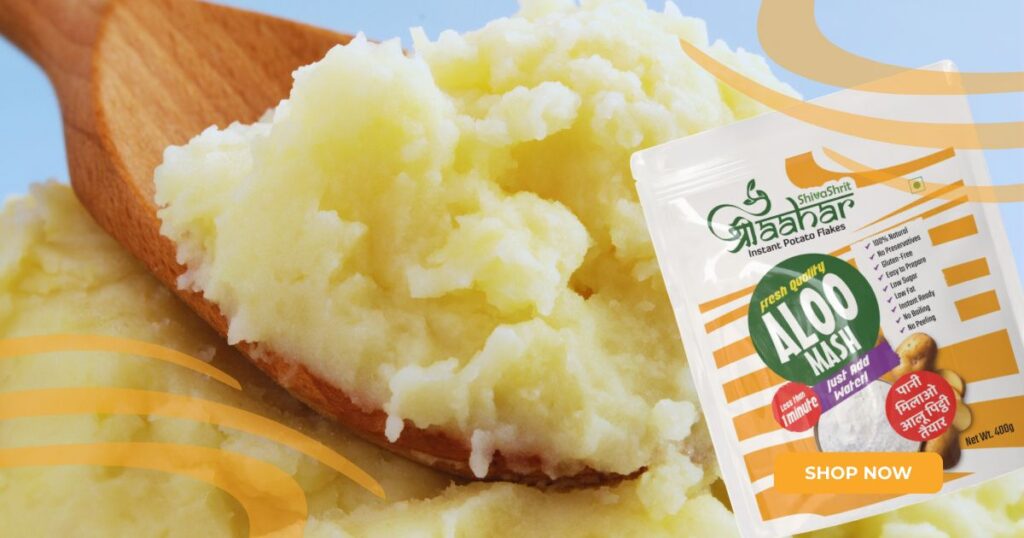
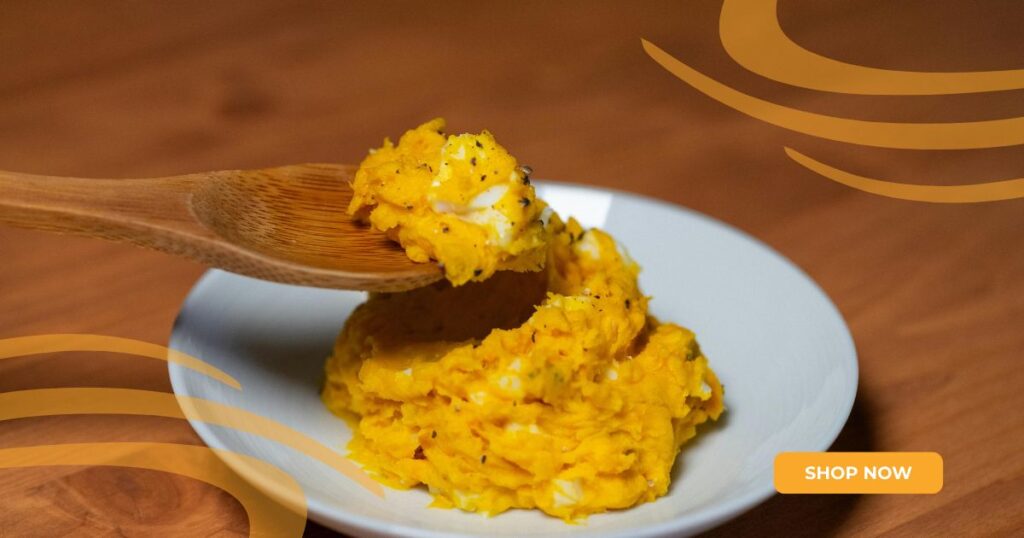
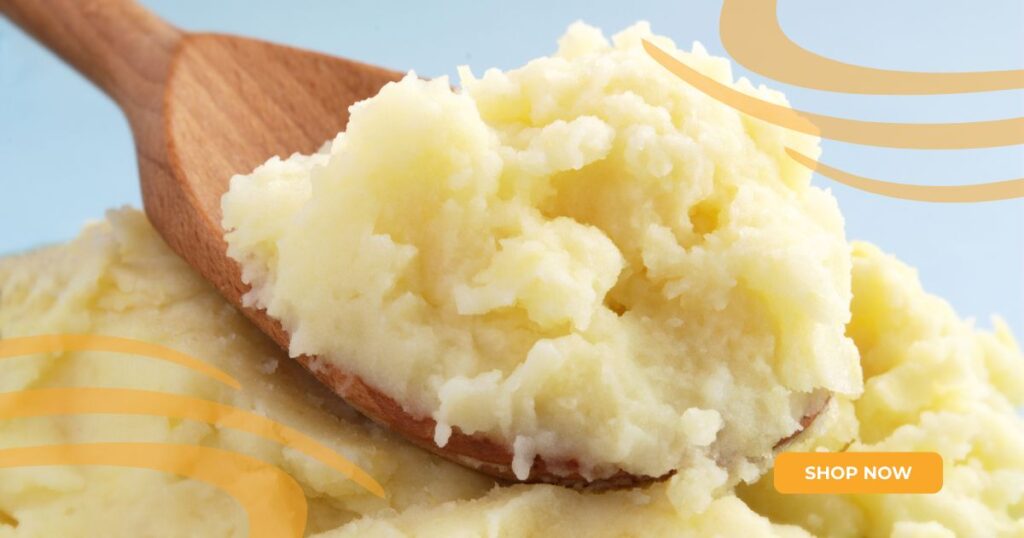
Shivashrit Foods Limited manufactures Shree Aahar’s aloo mash under both ISO and HALAL certified conditions in its Aligarh facility. Combined with a simple ingredient list of potatoes at 98.6 percent and a small emulsifier addition at 0.4 percent, these certifications give buyers two separate reasons to trust the product beyond taste alone.
Certifications Do Not Replace Taste and Texture
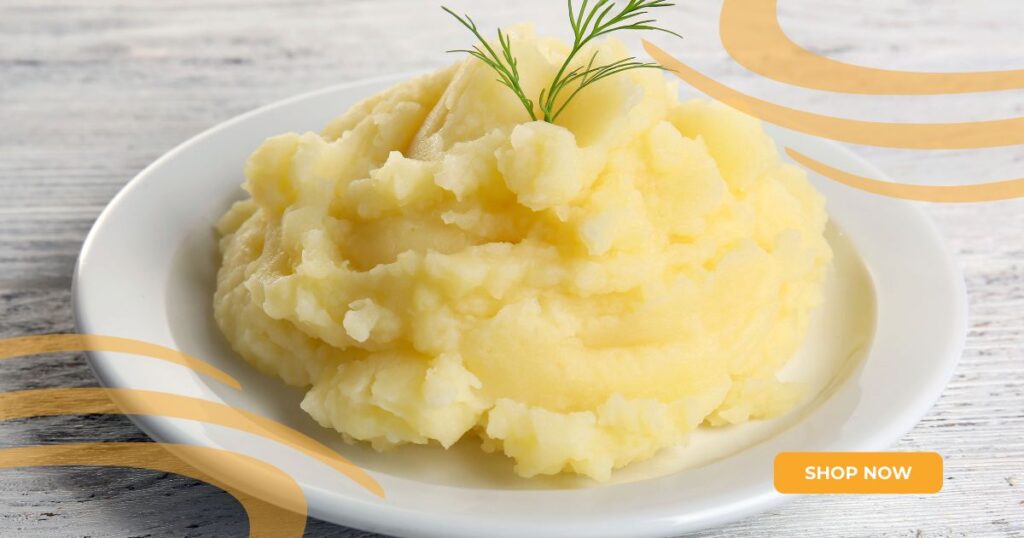
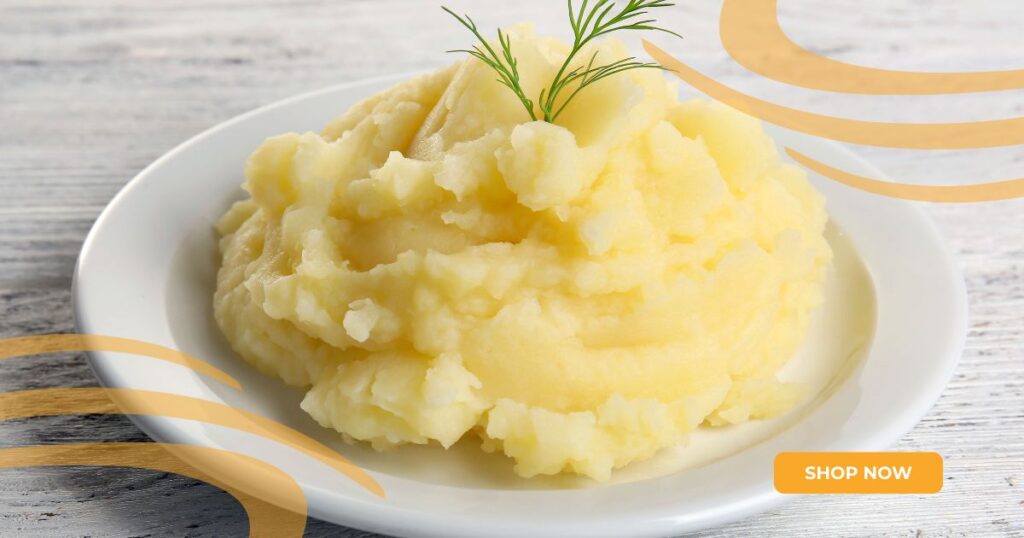
While certifications matter, they are not the whole story. The best quality aloo mash still needs to rehydrate smoothly, hold its texture, and taste good on the plate. Certifications set a floor for trust, but the eating experience is what keeps customers coming back. Shree Aahar
Asking the Right Questions as a Buyer
When comparing aloo mash brands, it is worth asking directly whether a product is ISO certified, HALAL certified, preservative-free, and gluten-free. These four questions alone can filter out a large share of lower quality options quickly.